
Field guide
Air Compressor Rental Guide
Match tank size, PSI, and CFM to your nail gun, spray gun, or impact wrench before you rent an air compressor so the job doesn't stop halfway through.
7 min readUpdated Apr 21, 2026Air CompressorsDrillsOrbital Sanders
What this guide covers
A shorter path through the article before you move into the full reading flow.
What an air compressor is for
An air compressor stores pressurized air in a tank and delivers it on demand to pneumatic tools, inflators, and spray equipment.
Key specs renters need to understand
The most common rental uses are framing and finish nailing, tire inflation, spray painting, and powering impact wrenches.
Portable vs stationary compressors
Portable pancake and hot-dog compressors cover most home and light renovation projects.
Reading progress
0% through this guide
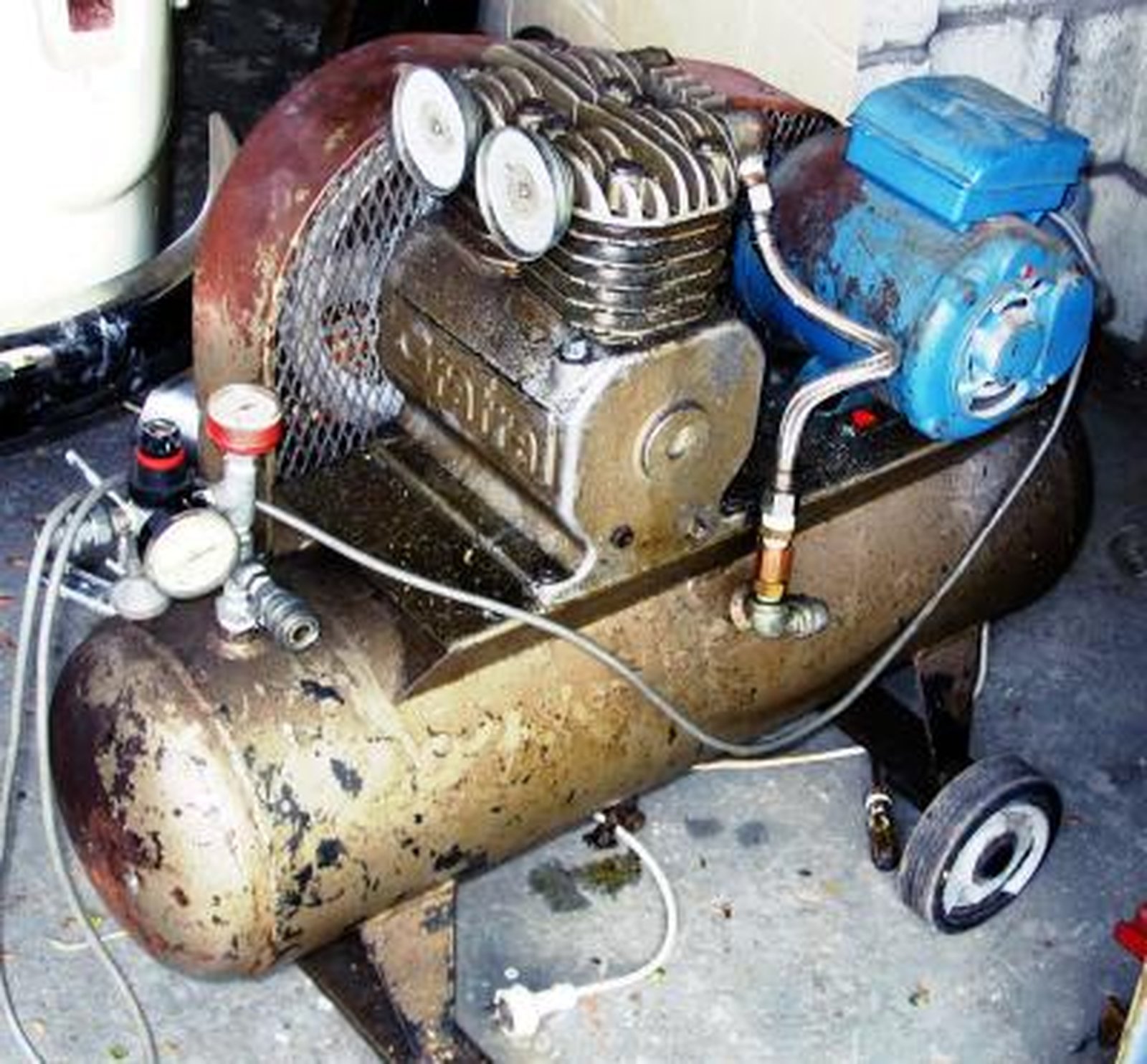
An air compressor converts electrical or fuel energy into stored compressed air that powers pneumatic tools, inflators, and spray equipment. Most portable rental models hold between 2 and 6 gallons and deliver 90 PSI at 2 to 6 CFM, which covers finish nailers, brad nailers, and tire inflation. Larger stationary units with 20 to 60 gallon tanks and 5 to 15 CFM ratings are better for impact wrenches, spray guns, and extended pneumatic work. Match the compressor to the tool that needs the most air before you book.
Step 14 points
What an air compressor is for
Checklist and notes for this part of the guide.
- 1An air compressor stores pressurized air in a tank and delivers it on demand to pneumatic tools, inflators, and spray equipment.
- 2The most common rental uses are framing and finish nailing, tire inflation, spray painting, and powering impact wrenches.
- 3Portable pancake and hot-dog compressors cover most home and light renovation projects.
- 4Larger twin-stack or vertical tank compressors are better for sustained use with high-demand tools like spray guns and impact wrenches.
Step 29 points
Key specs renters need to understand
Checklist and notes for this part of the guide.
- 1PSI (pounds per square inch) is the pressure rating. Most pneumatic tools run at 70 to 120 PSI.
- 2CFM (cubic feet per minute) is the airflow rating. This determines whether the compressor can keep up with the tool.
- 3Tank size in gallons affects recovery time. A larger tank runs longer between compressor cycles.
- 4Finish nailers typically need about 2 CFM at 90 PSI.
- 5Brad nailers typically need about 2 to 3 CFM at 90 PSI.
- 6Framing nailers typically need about 4 to 5 CFM at 90 PSI.
- 7Impact wrenches typically need about 4 to 6 CFM at 90 PSI.
- 8Spray guns typically need about 4 to 8 CFM at 40 to 90 PSI depending on the gun and material.
- 9If the compressor cannot keep up with the tool's CFM demand, it will cycle constantly, slow the job, and wear out faster.
Step 35 points
Portable vs stationary compressors
Checklist and notes for this part of the guide.
- 1Pancake compressors (1 to 6 gallons) are lightweight, easy to carry, and the most common rental choice for nail guns and light inflation.
- 2Hot-dog compressors (2 to 4 gallons) are a similar size and fit most finish and brad nailer jobs.
- 3Twin-stack compressors (2 to 4 gallons split into two tanks) offer slightly more capacity in a stackable form.
- 4Vertical tank compressors (20 to 60 gallons) are for sustained high-demand work where recovery time matters.
- 5For most weekend nail gun or inflation jobs, a portable pancake or hot-dog model is the right choice and the easiest to transport.
Step 43 points
Oil-free vs oil-lubricated
Checklist and notes for this part of the guide.
- 1Oil-free compressors require no maintenance during a short rental, start in cold weather, and are the most common type for residential rentals.
- 2Oil-lubricated compressors run quieter and last longer under sustained load, but require oil level checks before use.
- 3For most home rental projects, oil-free is the simpler and safer default choice.
Step 53 points
Power source options
Checklist and notes for this part of the guide.
- 1120V electric (standard outlet): covers most portable compressors and is by far the most common rental setup.
- 2240V electric: needed for some larger stationary models — confirm outlet availability before pickup.
- 3Gas-powered: used for outdoor jobsites without power access — ask about fuel type and startup procedure.
Step 66 points
Common rental jobs and the compressor that fits
Checklist and notes for this part of the guide.
- 1Finish nailing and trim work: a compact oil-free pancake at 90 PSI and 2 to 3 CFM covers most finish nailers.
- 2Framing and deck nailing: a unit with 4 to 5 CFM at 90 PSI and enough tank capacity to avoid constant cycling.
- 3Tire and equipment inflation: almost any portable compressor works for inflation jobs — check the gauge accuracy.
- 4Spray painting: confirm the gun's required CFM because many spray guns need 4 to 8 CFM, which pushes past smaller pancake models.
- 5Impact wrench and air ratchet work: plan for 4 to 6 CFM and confirm the hose size can handle the demand.
- 6Blow-off and cleaning: any portable unit with a blow gun attachment covers this use.
Step 76 points
What to confirm before pickup
Checklist and notes for this part of the guide.
- 1Tank size and CFM rating versus the tool you plan to run.
- 2Whether hoses, quick-connect fittings, and pneumatic tools are included or need to be sourced separately.
- 3Power source (120V, 240V, or gas) and whether you have the right outlet or generator at the jobsite.
- 4Oil-free or oil-lubricated type, especially if you need it ready for cold-weather starts.
- 5Weight and dimensions so you know whether your vehicle can handle the transport without strapping issues.
- 6Compressor noise level if the work is in an apartment, condo, or a noise-sensitive area.
Step 84 points
Pickup and transport
Checklist and notes for this part of the guide.
- 1Most portable pancake and hot-dog compressors fit in a trunk or back seat without special strapping.
- 2Larger vertical tanks may need a pickup truck bed, a cargo van, or a vehicle with tie-down points.
- 3Keep the compressor upright during transport to avoid oil spills if it is an oil-lubricated model.
- 4Let the tank fully depressurize before loading and unloading to avoid accidental air release during transport.
Step 93 points
Edmonton planning
Checklist and notes for this part of the guide.
- 1In Edmonton, air compressor rentals are common for interior framing, trim, and drywall projects during long winter weekends when outdoor work slows.
- 2Spring decking, fence repair, and inflation work open up once the ground is clear and outdoor projects are back in motion.
- 3Oil-free electric compressors start reliably in cold garages and are usually the better rental choice for winter projects.
Step 103 points
Calgary planning
Checklist and notes for this part of the guide.
- 1In Calgary, air compressor demand rises around renovation season, spring exterior finish work, and fast turnaround projects where pneumatic tools replace slower hand methods.
- 2Chinook weather can open short project windows, so renters often need gear that is ready to use without long warm-up time.
- 3Confirm that the compressor has enough CFM for the spray gun or impact tool you plan to run rather than booking by tank size alone.
Step 116 points
Safety
Checklist and notes for this part of the guide.
- 1Never exceed the PSI rating of any hose, fitting, or pneumatic tool in the rental setup.
- 2Check the pressure relief valve before starting — it should release air freely when triggered.
- 3Drain the tank after each use to remove moisture that collects during normal operation.
- 4Keep hoses, fittings, and couplers clear of heat sources, sharp edges, and high-traffic areas.
- 5Never point a pressurized fitting or blow gun at people, pets, or electrical equipment.
- 6Wear eye protection when connecting or disconnecting quick-connect fittings under pressure.
Step 124 points
After the job
Checklist and notes for this part of the guide.
- 1Drain the tank by opening the drain valve at the bottom after the pressure has dropped to a safe level.
- 2Coil the hose cleanly and pack all fittings, couplers, and attachments in the same bag or case they came in.
- 3Wipe down the tank and body and report any leaks, pressure gauge issues, or unusual cycling behavior to the owner.
- 4Return oil-lubricated models with the same oil level they had at pickup unless the owner specifies otherwise.
Take the next useful step
Move into the rentals hub or jump straight to the best matching category page.
Navigator
On this page
- 1What an air compressor is for
- 2Key specs renters need to understand
- 3Portable vs stationary compressors
- 4Oil-free vs oil-lubricated
- 5Power source options
- 6Common rental jobs and the compressor that fits
- 7What to confirm before pickup
- 8Pickup and transport
- 9Edmonton planning
- 10Calgary planning
- 11Safety
- 12After the job
Air Compressor Rental Guide FAQ
Short answers for renters comparing tool fit, job size, and what to confirm before pickup.
Most finish and brad nailers need about 2 to 3 CFM at 90 PSI. Framing nailers typically need 4 to 5 CFM at 90 PSI. Check the tool's spec sheet and match the compressor CFM rating to the highest-demand tool you plan to run.
Browse related rental categories
Use the guide, then move into the category page that matches the tool path you actually need.
Browse local rental hubs
Move from advice into the city hub that matches your pickup area and project timing.


Related guides
More short reads if you still need help choosing the tool, city, or booking approach.
Guide7 min read
Random Orbital Sander Rental Guide
Learn what a random orbital sander is for, which grit to use, what OPM means, and how to...
Orbital Sanders
Practical readOpen guide
Guide3 min read
Power Tool Safety in Winter
Cold-weather safety tips for tool rentals, including battery care and jobsite setup.
Pressure WashersLaddersDrills
Practical readOpen guide

Guide3 min read
Tool Rental Checklist
A practical checklist to book the right rental, inspect it safely, and return it with con...
DrillsLaddersPressure Washers
Practical readOpen guide
Ready to rent the right tool?
Move from the guide into the right city hub or category page once the rental path is clear.